


Introduction
Wellness is not just about avoiding illness; it is about creating a balanced lifestyle that supports your body, mind, and emotions every single day. In today’s fast-paced world, people often ignore self-care and healthy habits due to busy routines, stress, and digital distractions. However, adopting the best wellness practices for everyday life can significantly improve your energy levels, mental clarity, and overall happiness.
These practices are not complicated or expensive. In fact, they are simple lifestyle changes that anyone can follow regardless of age or background. From eating nutritious food to managing stress effectively, wellness is a combination of small habits that create a big impact over time. When you start prioritizing your health, you begin to notice better focus, improved mood, and stronger physical strength.
This article will guide you through everything you need to know about wellness practices. You will learn what wellness truly means, why it is important, and how you can apply it in your daily routine step by step. By the end, you will have a clear roadmap to build a healthier and more balanced lifestyle.
What is Wellness?
Wellness refers to the active process of making conscious choices toward a healthy and fulfilling life. It includes physical health, mental well-being, emotional stability, and even social balance. Unlike simple fitness routines, wellness focuses on the overall quality of life rather than just one aspect of health.
The best wellness practices for everyday life include habits like proper nutrition, regular exercise, stress management, quality sleep, and maintaining positive relationships. It is a holistic approach that connects mind and body together. When all these areas are in harmony, a person feels more energetic, focused, and motivated in daily life.
Wellness is not a one-time goal. It is a continuous journey that evolves with time and lifestyle changes.
Why is Wellness Important?
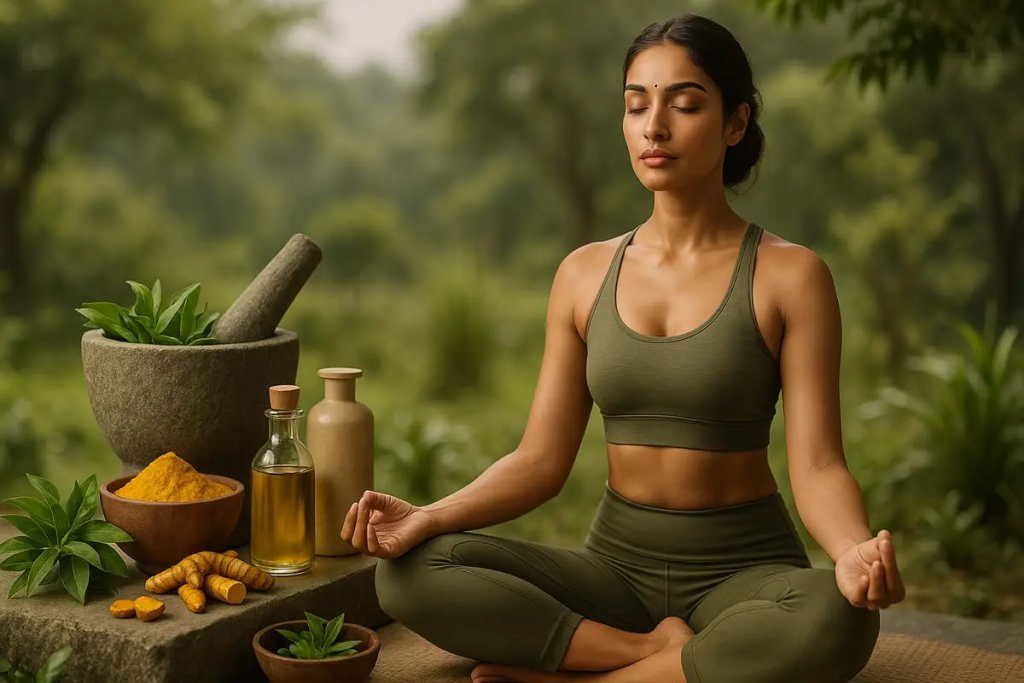
Wellness is important because it directly affects how you think, feel, and function every day. Without proper wellness habits, people often experience fatigue, anxiety, poor concentration, and health problems. On the other hand, maintaining the best wellness practices for everyday life helps prevent many lifestyle diseases and improves long-term health outcomes.
Good wellness practices also enhance productivity. When your body is healthy and your mind is calm, you can perform tasks more efficiently. Additionally, wellness improves emotional balance, helping you handle stress and challenges better.
Another important reason is prevention. Many chronic diseases like diabetes, heart issues, and obesity can be reduced through healthy daily habits. This shows that wellness is not just about living longer but also living better.
Detailed Step-by-Step Guide to Wellness Practices
1. Healthy Eating Habits
Nutrition plays a major role in wellness. Eating balanced meals provides your body with essential nutrients needed for energy and recovery. Include fruits, vegetables, whole grains, and lean proteins in your diet. Avoid excessive junk food and sugary drinks.
Try to eat mindfully by focusing on portion control and eating slowly. This helps digestion and prevents overeating. Hydration is also essential, so drink enough water throughout the day.
2. Regular Physical Activity
Exercise is one of the most effective best wellness practices for everyday life. It improves heart health, strengthens muscles, and boosts mental health. You do not need intense workouts; even 30 minutes of walking, stretching, or yoga can make a big difference.
Consistency is more important than intensity. Choose activities you enjoy so that you can stick to them long-term.
3. Quality Sleep Routine
Sleep is often overlooked, but it is crucial for overall wellness. Poor sleep affects mood, memory, and immunity. Aim for 7–9 hours of sleep every night.
Maintain a fixed sleep schedule and avoid screens before bedtime. A calm sleeping environment improves sleep quality and helps your body recover naturally.
4. Stress Management Techniques
Stress is unavoidable, but managing it is important for wellness. Practice deep breathing, meditation, or journaling to reduce stress levels.
Spending time in nature or engaging in hobbies can also help relax the mind. Learning how to handle stress is one of the key best wellness practices for everyday life.
5. Emotional Well-being
Emotional health is just as important as physical health. Stay connected with family and friends and express your feelings openly.
Positive thinking and gratitude practices help improve emotional balance. Surround yourself with supportive people who encourage personal growth.
6. Digital Detox
Excessive screen time can affect mental health and sleep quality. Take regular breaks from mobile phones, social media, and digital devices.
A digital detox helps you reconnect with real-life experiences and improves focus.
7. Preventive Health Care
Regular health check-ups help detect problems early. Do not ignore minor symptoms. Preventive care is an important part of maintaining long-term wellness.
Benefits of Wellness Practices
- Improves physical strength and immunity
- Enhances mental clarity and focus
- Reduces stress and anxiety levels
- Boosts energy and productivity
- Supports healthy weight management
- Improves sleep quality
- Strengthens emotional stability
- Increases lifespan and quality of life
Disadvantages / Risks
- Requires consistency and discipline
- Initial lifestyle changes may feel difficult
- Can take time to see visible results
- Overdoing exercise or dieting may cause imbalance
- Lack of knowledge may lead to incorrect practices
Common Mistakes to Avoid
Many people start wellness routines but fail due to common mistakes. One major mistake is expecting instant results. Wellness is a gradual process and requires patience.
Another mistake is following extreme diets or workout plans. This can harm the body instead of improving it.
Ignoring mental health is also a big issue. Wellness is incomplete without emotional balance.
Lastly, inconsistency is a major reason people fail to maintain healthy habits. Small daily actions are more effective than occasional efforts.
FAQs
1. What are the best wellness practices for everyday life?
They include healthy eating, exercise, proper sleep, stress management, and emotional balance. These habits improve overall physical and mental health.
2. How long does it take to see results from wellness habits?
It depends on consistency. Most people notice improvements in energy and mood within a few weeks of regular practice.
3. Can beginners start wellness practices easily?
Yes, beginners can start with small steps like walking, drinking more water, and improving sleep habits.
4. Do wellness practices require expensive resources?
No, most wellness practices are free and only require discipline and lifestyle adjustments.
5. Is exercise necessary for wellness?
Yes, physical activity is an important part of wellness as it improves both body and mind health.
6. Can stress affect physical health?
Yes, long-term stress can lead to fatigue, weak immunity, and various health issues. Managing stress is essential.
Expert Tips & Bonus Points
Start small instead of changing everything at once. Focus on one habit at a time to build consistency.
Track your progress using a journal or app. This helps you stay motivated.
Stay hydrated and avoid processed foods as much as possible.
Practice gratitude daily to improve emotional well-being.
Balance is key. Avoid extremes in diet, exercise, or lifestyle changes.
Conclusion
Wellness is a lifelong journey that requires awareness, discipline, and consistency. The best wellness practices for everyday life are not complicated, but they do require commitment. By focusing on simple habits like eating healthy, exercising regularly, managing stress, and getting enough sleep, you can significantly improve your quality of life.
The goal of wellness is not perfection but progress. Even small changes in your daily routine can create long-lasting benefits. When you prioritize your health, you build a stronger body and a calmer mind, which helps you handle life’s challenges more effectively.
Remember that wellness is personal. What works for one person may need adjustments for another. The key is to find a routine that fits your lifestyle and stick with it consistently. Over time, these small actions will transform your physical health, mental clarity, and emotional stability.
