

Introduction
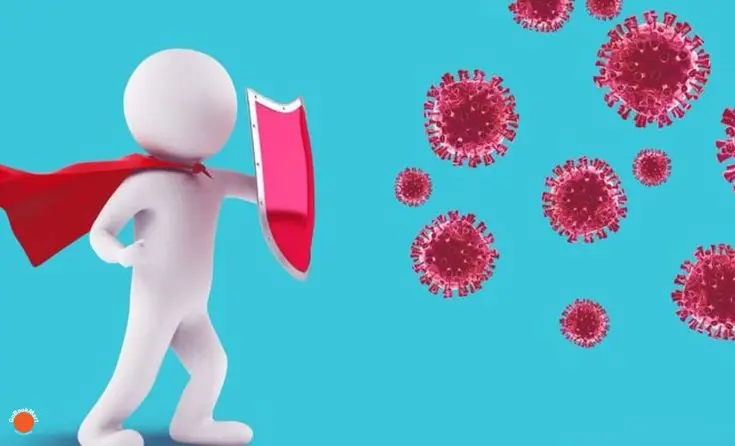
Hygiene plays a critical role in maintaining good health and preventing the spread of diseases in everyday life. From simple handwashing to maintaining clean surroundings, hygiene practices help reduce harmful bacteria, viruses, and other pathogens that can cause serious illnesses. In today’s world, where infectious diseases spread quickly, understanding the importance of hygiene is more essential than ever.
Good hygiene is not just about cleanliness; it is a lifestyle choice that protects both individuals and communities. Whether at home, school, workplace, or public spaces, maintaining proper hygiene can significantly reduce health risks. Many common diseases such as flu, diarrhea, skin infections, and respiratory illnesses are directly linked to poor hygiene habits.
The importance of hygiene in disease prevention cannot be ignored because it forms the first line of defense against infections. Simple practices like washing hands before meals, bathing regularly, and keeping food clean can make a huge difference in overall health. Moreover, hygiene also improves mental well-being by promoting a sense of freshness and confidence.
What is Hygiene?
Hygiene refers to a set of practices and conditions that help maintain health and prevent the spread of diseases. It includes personal cleanliness, environmental cleanliness, and food safety measures.
Personal hygiene involves daily habits such as bathing, brushing teeth, washing hands, and wearing clean clothes. Environmental hygiene focuses on keeping living spaces clean and waste-free. Food hygiene ensures that food is prepared, stored, and consumed in a safe and clean manner.
Hygiene is not limited to appearance or cleanliness; it is directly linked to health protection. When hygiene practices are ignored, harmful microorganisms can easily spread and cause infections.
Why is Hygiene Important?
Hygiene is essential because it protects individuals from harmful diseases and infections. Many illnesses spread through direct contact, contaminated food, or unclean environments.
One of the main reasons hygiene is important is its ability to break the chain of infection. For example, washing hands regularly can prevent the transmission of viruses like flu and COVID-19.
Hygiene also improves overall quality of life. Clean surroundings reduce stress, improve mental clarity, and create a healthier environment for living and working. In schools and workplaces, proper hygiene reduces absenteeism caused by illness.
Furthermore, hygiene plays a major role in public health. When communities follow hygiene practices, the spread of contagious diseases decreases significantly. This helps reduce healthcare costs and improves life expectancy.
Detailed Step-by-Step Guide to Maintain Hygiene

Personal Hygiene Practices
Maintaining personal hygiene is the foundation of good health. It involves daily habits that protect the body from germs.
Key steps include:
- Wash hands with soap before eating and after using the restroom.
- Take regular baths to remove dirt and bacteria from the skin.
- Brush teeth twice a day to maintain oral health.
- Keep nails clean and trimmed to avoid germ buildup.
- Wear clean clothes daily to prevent skin infections.
Home Hygiene Practices
A clean home environment reduces the risk of disease transmission.
Steps include:
- Sweep and mop floors regularly.
- Disinfect frequently touched surfaces like door handles.
- Properly dispose of waste and garbage.
- Keep kitchen areas clean and dry.
- Prevent pest infestations such as flies and cockroaches.
Food Hygiene Practices
Food hygiene is essential to avoid foodborne diseases.
Steps include:
- Wash fruits and vegetables before use.
- Cook food at proper temperatures.
- Store food in clean and covered containers.
- Avoid eating expired or contaminated food.
- Use clean utensils for cooking and serving.
Public Hygiene Practices
Public hygiene helps protect entire communities.
Steps include:
- Avoid littering in public places.
- Use public restrooms responsibly.
- Maintain social distancing during outbreaks.
- Cover mouth while coughing or sneezing.
- Follow vaccination and health guidelines.
Benefits of Hygiene in Disease Prevention
- Reduces the risk of infectious diseases
- Strengthens the immune system
- Improves mental and physical well-being
- Enhances social confidence and interaction
- Prevents foodborne illnesses
- Lowers healthcare costs
- Promotes a healthier environment
- Increases life expectancy
Disadvantages / Risks of Poor Hygiene
- Increased risk of infections and diseases
- Spread of contagious illnesses in communities
- Skin problems and allergies
- Digestive issues due to contaminated food
- Poor mental health and low confidence
- Higher medical expenses
- Reduced productivity and frequent illness
- Environmental pollution and waste buildup
Common Mistakes to Avoid
Many people follow hygiene practices incorrectly, which reduces their effectiveness. Avoiding these mistakes can greatly improve health outcomes.
One common mistake is irregular handwashing. Many individuals only wash hands when visibly dirty, but germs are often invisible.
Another mistake is improper food storage. Leaving food uncovered or unrefrigerated increases the risk of bacterial growth.
Ignoring oral hygiene is also a major issue. Skipping brushing or not visiting a dentist regularly can lead to serious dental problems.
Some people also neglect cleaning frequently used objects like phones, keyboards, and door handles, which can carry germs.
Lastly, relying only on appearance of cleanliness rather than actual hygiene practices can be misleading.
FAQs
1. What is the main purpose of hygiene?
The main purpose of hygiene is to prevent diseases and maintain overall health by reducing exposure to harmful germs and bacteria.
2. How does hygiene prevent disease?
Hygiene prevents disease by breaking the transmission chain of pathogens through cleaning, sanitizing, and safe practices.
3. What are the types of hygiene?
The main types include personal hygiene, environmental hygiene, and food hygiene.
4. Why is handwashing important?
Handwashing removes germs from hands, preventing them from entering the body through food or contact with the face.
5. Can poor hygiene cause serious diseases?
Yes, poor hygiene can lead to serious illnesses such as diarrhea, respiratory infections, skin diseases, and food poisoning.
6. How often should hygiene practices be followed?
Hygiene practices should be followed daily, including regular bathing, handwashing, and cleaning of surroundings.
Expert Tips & Bonus Points
Experts suggest that consistency is the key to maintaining hygiene. Small daily habits have a long-term impact on health.
Always carry a hand sanitizer when soap and water are not available. This helps reduce germs on the go.
Make cleaning a routine rather than a task. A scheduled cleaning habit ensures better results.
Stay hydrated and eat nutritious food, as internal health also supports external hygiene benefits.
Educate children about hygiene from an early age to build lifelong healthy habits.
Finally, regularly update yourself with health guidelines provided by medical professionals.
Conclusion
Hygiene is one of the most important factors in disease prevention and overall well-being. It is a simple yet powerful practice that protects individuals and communities from a wide range of infections and health problems. By adopting good hygiene habits, people can significantly reduce their risk of illness and lead healthier lives.
From personal cleanliness to maintaining clean environment, every aspect of hygiene contributes to better health outcomes. The importance of hygiene in disease prevention becomes even more critical in crowded and urban settings where diseases can spread quickly.
When hygiene practices are followed consistently, they not only protect physical health but also improve mental well-being and confidence. Clean surroundings create a positive environment that supports productivity and happiness.
