

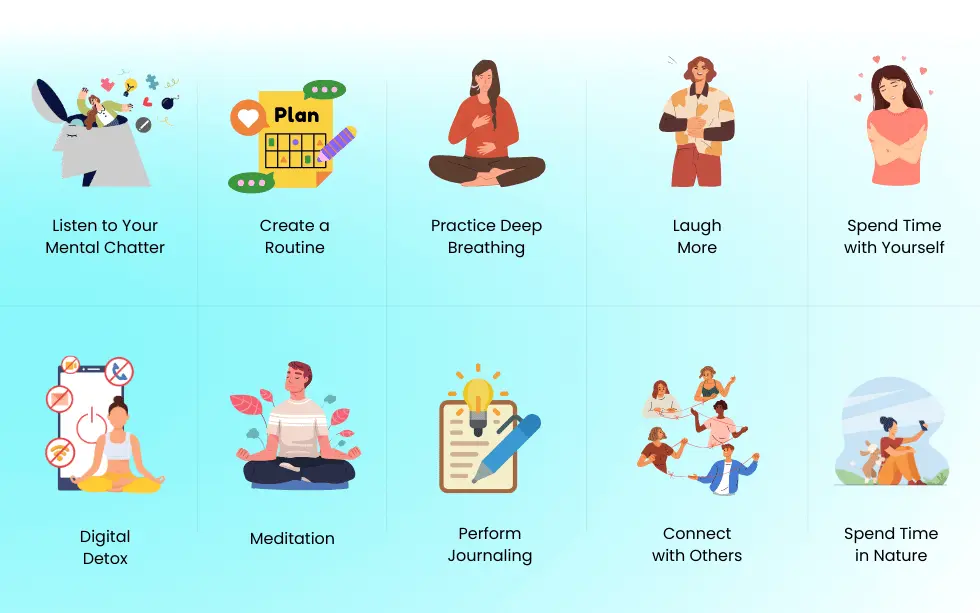
Introduction
Overthinking and stress have become common problems in today’s fast-paced world. Many people struggle with constant worrying, analyzing situations too deeply, and feeling mentally exhausted. If you often find yourself stuck in repetitive thoughts, unable to relax, or overwhelmed by daily pressure, you are not alone. Learning ways to reduce overthinking and stress can significantly improve your mental clarity, emotional balance, and overall quality of life.
In this article, you will explore practical, easy-to-follow strategies that help calm your mind and bring inner peace. These methods are not complicated or time-consuming, but they are powerful when practiced consistently. From simple breathing techniques to lifestyle changes and mindset shifts, every section is designed to help you take control of your thoughts instead of letting them control you.
Reducing overthinking and stress is not about ignoring problems. It is about handling them in a healthier and more structured way. When your mind is clear, you make better decisions, feel more confident, and enjoy life more fully. Let’s explore how you can achieve this step by step.
What is Overthinking and Stress?
Overthinking is the habit of repeatedly analyzing thoughts, situations, or decisions without reaching a solution. It often involves imagining worst-case scenarios, replaying past events, and worrying about things that may never happen. Stress, on the other hand, is the body’s natural response to pressure or demands, whether emotional, mental, or physical.
When overthinking and stress combine, they create a cycle of anxiety and mental exhaustion. A person may feel stuck in their thoughts, unable to focus on the present moment. This condition affects sleep, productivity, relationships, and overall happiness.
Overthinking is not just thinking a lot; it is thinking in a way that does not lead to clarity or action. Stress becomes harmful when it is constant and unmanaged. Understanding this difference is the first step in learning ways to reduce overthinking and stress effectively.
Why is It Important to Reduce Overthinking and Stress?
Managing overthinking and stress is essential for maintaining both mental and physical health. When your mind is constantly overloaded, it affects your body in several ways, including fatigue, headaches, sleep problems, and weakened immunity.
Reducing overthinking and stress helps you stay focused and productive. It allows you to make better decisions without confusion or fear. Emotionally, it brings stability and reduces anxiety levels. You also develop stronger relationships because you are more present and less reactive.
Another important reason is long-term well-being. Chronic stress can lead to serious health issues such as high blood pressure and depression. Overthinking can also lower self-confidence and increase indecisiveness.
By learning effective ways to reduce overthinking and stress, you improve your ability to handle challenges calmly and confidently. It creates a healthier mindset that supports personal growth and success in all areas of life.
Detailed Step-by-Step Guide to Reduce Overthinking and Stress
1. Practice Mindful Breathing
One of the simplest ways to calm your mind is through mindful breathing. Focus on slow, deep breaths in and out. This helps your nervous system relax and reduces immediate stress.
2. Identify Your Thoughts
Start observing your thoughts instead of reacting to them. Ask yourself whether your thoughts are based on facts or assumptions. This creates mental distance from overthinking patterns.
3. Set Time Limits for Thinking
Give yourself a specific time to think about a problem. Once the time is over, shift your attention to another activity. This prevents endless mental loops.
4. Stay Physically Active
Exercise helps release stress hormones and improves mood. Even a 20-minute walk can significantly reduce overthinking and improve clarity.
5. Write Down Your Thoughts
Journaling helps you organize your thoughts and release mental pressure. Writing things down often makes problems feel more manageable.
6. Focus on What You Can Control
Many people overthink things they cannot change. Shift your focus to actions you can take instead of worrying about outcomes beyond your control.
7. Limit Social Media Exposure
Too much information overload increases stress. Reducing screen time helps your mind rest and reset.
Benefits of Reducing Overthinking and Stress

- Improved mental clarity and focus
- Better decision-making ability
- Reduced anxiety and emotional tension
- Improved sleep quality
- Increased productivity in daily tasks
- Stronger emotional control
- Healthier relationships
- Greater self-confidence
- More positive mindset
- Better physical health and energy levels
Disadvantages or Risks of Ignoring Overthinking and Stress
- Increased anxiety and depression risk
- Poor sleep patterns and fatigue
- Reduced concentration and productivity
- Emotional instability and irritability
- Weak immune system
- Difficulty in making decisions
- Negative impact on relationships
- Long-term mental burnout
Common Mistakes to Avoid
Many people try to handle stress in unhealthy ways. One common mistake is ignoring emotions instead of addressing them. Suppressing thoughts often makes overthinking worse.
Another mistake is trying to multitask excessively, which increases mental overload. Some people also rely on distractions like social media or junk food, which only provide temporary relief.
Avoid comparing your life with others, as it increases unnecessary pressure. Lastly, do not try to control everything. Accept that some situations are beyond your control and focus on your response instead.
FAQs
1. What is the fastest way to reduce overthinking?
The fastest way is to shift your focus immediately. Deep breathing, walking, or engaging in a physical activity can quickly interrupt overthinking patterns.
2. Can overthinking be completely stopped?
Overthinking may not disappear completely, but it can be managed effectively with practice and consistent habits.
3. How does stress affect daily life?
Stress affects focus, sleep, energy levels, and emotional stability. It can also reduce productivity and decision-making ability.
4. Is journaling helpful for overthinking?
Yes, journaling helps organize thoughts and reduces mental clutter, making problems feel more manageable.
5. Can exercise reduce stress?
Regular exercise releases endorphins, which improve mood and significantly reduce stress levels.
6. Why do people overthink at night?
At night, distractions are fewer, so the brain focuses more on unresolved thoughts and worries, increasing overthinking.
Expert Tips & Bonus Points
One powerful tip is to practice gratitude daily. Focusing on positive aspects of life shifts your mindset away from stress. Another helpful technique is meditation, which trains your mind to stay present.
It is also important to maintain a consistent sleep schedule. Lack of sleep increases overthinking tendencies. Eating a balanced diet supports brain health and emotional stability.
Try setting realistic goals instead of overwhelming yourself with too many expectations. Break tasks into smaller steps to reduce pressure. Surround yourself with supportive people who encourage positivity.
Finally, accept that perfection is not necessary. Allow yourself to make mistakes and learn from them. This mindset significantly reduces unnecessary mental pressure.
Conclusion
Learning ways to reduce overthinking and stress is essential for living a balanced and peaceful life. When your mind is constantly filled with worries, it becomes difficult to enjoy the present moment. However, by applying simple techniques such as mindful breathing, journaling, exercise, and limiting negative thinking patterns, you can regain control over your thoughts.
Overthinking often creates problems that do not exist, while stress reduces your ability to respond effectively. That is why building healthy mental habits is so important. The strategies discussed in this article are practical and can be applied in daily life without any complexity.
Consistency is the key. Small changes practiced regularly can lead to significant improvement in your mental well-being. As you start applying these methods, you will notice better focus, improved emotional balance, and a calmer mindset.
