

Introduction
Self care is not a luxury but a daily necessity for maintaining good mental health and emotional balance. In today’s fast-paced world, people often ignore their inner needs while focusing on work, responsibilities, and social pressure. This imbalance slowly leads to stress, anxiety, low energy, and emotional burnout. That is why simple self care ideas for mental health are becoming more important than ever. These small but powerful habits can help you feel more grounded, calm, and in control of your life.
The best part about self care is that it does not require expensive tools or major lifestyle changes. Instead, it starts with small daily actions such as improving your sleep routine, taking short breaks, eating mindfully, or practicing gratitude. When done consistently, these habits create a strong foundation for emotional stability. Many people think self care is only about spa days or vacations, but in reality, it is about how you treat yourself every single day.
In this guide, you will learn practical and simple self care ideas for mental health that you can easily apply in your routine. These strategies are designed for beginners and intermediate readers who want to improve their emotional wellbeing without feeling overwhelmed. By the end of this article, you will understand how small changes can create a big impact on your mental health and overall happiness.
What is Simple Self Care for Mental Health?
Simple self care for mental health refers to everyday actions that support emotional, psychological, and physical wellbeing. It includes habits that reduce stress, improve mood, and help you manage daily challenges more effectively. These practices are easy to follow and do not require special skills or resources.
Self care is not selfish. It is a way of maintaining balance in life so that you can function better in your personal and professional responsibilities. It focuses on listening to your body and mind and responding with kindness and awareness.
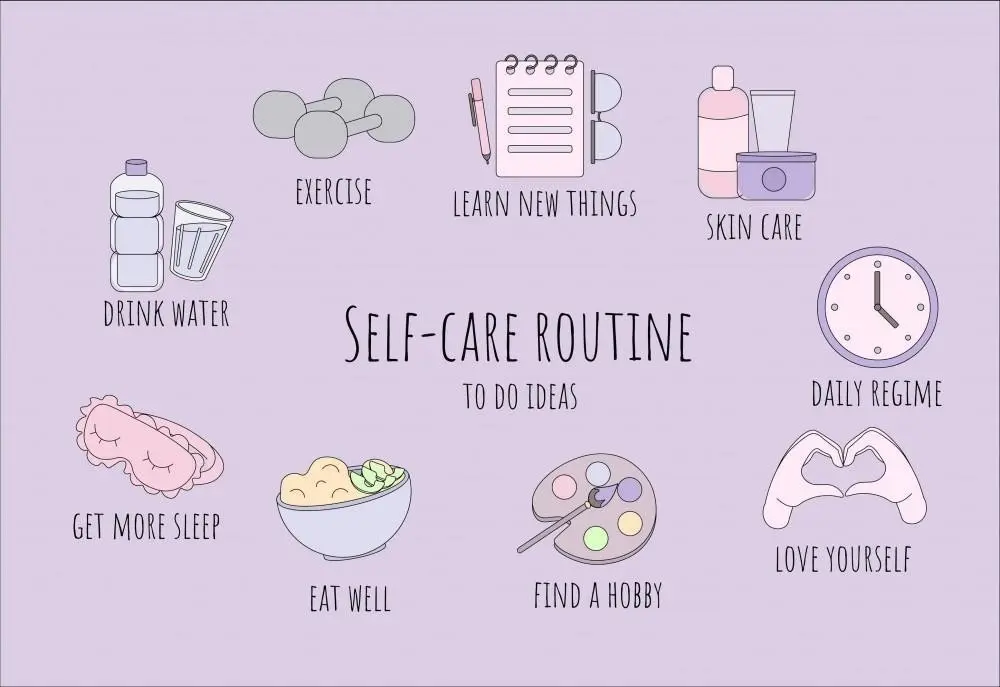
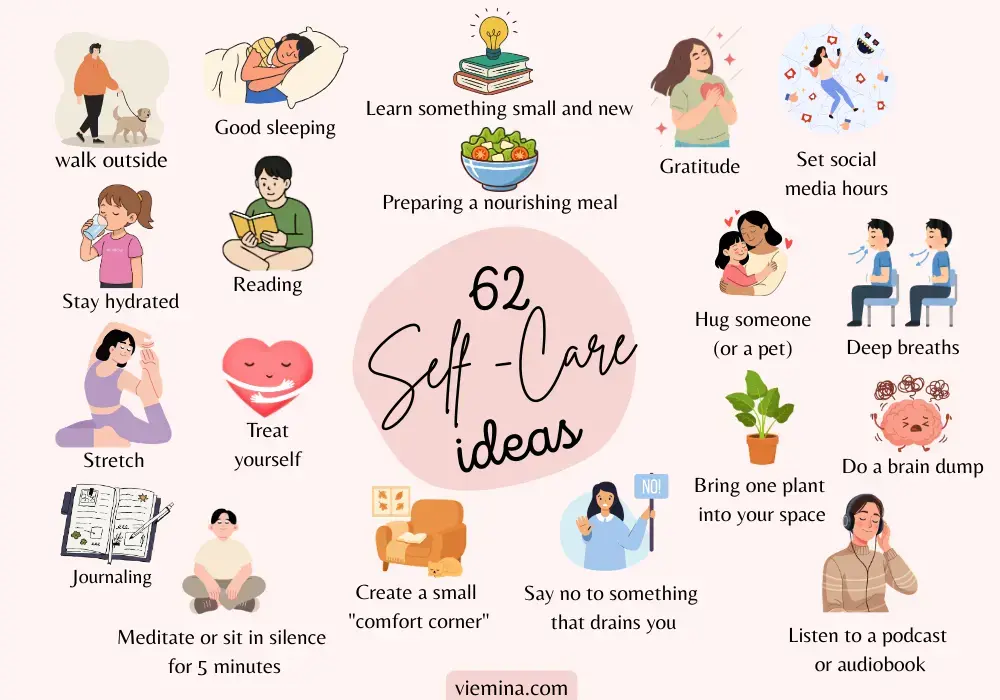
Examples of simple self care ideas for mental health include:
- Getting enough sleep every night
- Taking short breaks during work
- Eating balanced meals
- Practicing deep breathing
- Spending time in nature
- Journaling thoughts and emotions
These actions may look small, but they have a powerful effect on your mental state when practiced regularly.
Why is Self Care Important for Mental Health?
Mental health plays a major role in how you think, feel, and behave. When it is neglected, even simple tasks can feel overwhelming. Self care helps prevent emotional exhaustion and supports a healthier mindset.
One of the main reasons self care is important is because it helps reduce stress levels. Daily life comes with challenges such as work pressure, family responsibilities, and financial concerns. Without proper coping strategies, stress can build up and lead to anxiety or depression.
Another reason is emotional awareness. Self care allows you to understand your feelings better and respond instead of reacting. This improves your relationships and decision-making skills.
It also improves productivity. When your mind is calm and well-rested, you can focus better and complete tasks more efficiently. Instead of burning out, you maintain steady energy throughout the day.
Lastly, self care strengthens self-worth. When you take care of yourself, you send a message that your wellbeing matters. This builds confidence and emotional resilience over time.
Detailed Step-by-Step Guide to Simple Self Care Ideas for Mental Health
1. Build a Healthy Morning Routine
A good morning routine sets the tone for the entire day. Start your day with simple habits like stretching, drinking water, or sitting quietly for a few minutes. Avoid immediately checking your phone as it can increase stress levels early in the day.
A calm morning helps your mind feel organized and focused. Even 10–15 minutes of mindful activity can make a big difference.
2. Practice Mindful Breathing
Mindful breathing is one of the easiest simple self care ideas for mental health. It helps calm your nervous system and reduce anxiety.
You can try this method:
- Inhale slowly for 4 seconds
- Hold your breath for 4 seconds
- Exhale slowly for 6 seconds
Repeat this for a few minutes whenever you feel stressed or overwhelmed.
3. Take Regular Digital Breaks
Constant exposure to screens can increase mental fatigue. Taking short breaks from social media and digital devices helps refresh your mind.
Try setting specific times for checking your phone and avoid unnecessary scrolling. Use your free time for real-world activities like walking or reading.
4. Stay Physically Active
Physical movement is directly linked to mental wellbeing. You do not need intense workouts; even light exercise like walking or stretching can improve mood and reduce stress.
Regular activity releases endorphins, which are natural mood boosters.
5. Maintain a Balanced Diet
Food has a strong impact on mental health. Eating balanced meals with fruits, vegetables, and proteins helps stabilize energy levels and mood.
Avoid excessive caffeine or processed food, as they can affect your emotional stability.
6. Keep a Journal
Writing down your thoughts is a powerful emotional release. Journaling helps you understand your feelings and identify stress triggers.
You can write about your day, emotions, or things you are grateful for.
7. Improve Sleep Quality
Good sleep is essential for mental health. Try to maintain a fixed sleep schedule and avoid screens before bedtime.
A well-rested mind is more stable, focused, and emotionally balanced.
Benefits of Simple Self Care Ideas for Mental Health
- Reduces stress and anxiety levels
- Improves emotional stability
- Enhances focus and productivity
- Boosts self-confidence
- Strengthens relationships
- Encourages positive thinking
- Supports better physical health
- Helps in managing daily challenges effectively
Disadvantages / Risks of Ignoring Self Care
- Increased stress and burnout
- Poor concentration and decision-making
- Emotional instability
- Sleep disturbances
- Lower productivity
- Weak immune system
- Higher risk of anxiety or depression
Common Mistakes to Avoid in Self Care
Many people start self care routines but fail to maintain them due to common mistakes.
First, expecting quick results can lead to disappointment. Self care is a gradual process, not an instant solution.
Second, being inconsistent reduces effectiveness. Daily small habits are more powerful than occasional efforts.
Third, comparing your routine with others can create pressure. Self care should be personal and flexible.
Lastly, ignoring mental signals such as stress or fatigue can make things worse. It is important to listen to your body and mind regularly.
FAQs About Simple Self Care Ideas for Mental Health
1. What are simple self care ideas for mental health?
They are easy daily habits like sleeping well, eating healthy, breathing exercises, and journaling that support emotional wellbeing.
2. How long does self care take to show results?
Some benefits can be felt immediately, like reduced stress, but long-term mental health improvement takes consistent practice over weeks or months.
3. Can self care replace therapy?
No, self care supports mental health but does not replace professional therapy when needed. Both can work together effectively.
4. What is the easiest self care habit to start?
Deep breathing or taking short breaks during the day is one of the easiest ways to start.
5. Is self care only for people with stress?
No, self care is important for everyone, even if you are not experiencing stress, as it helps maintain emotional balance.
6. How often should I practice self care?
Daily practice is ideal. Even small actions every day can significantly improve mental wellbeing.
Expert Tips & Bonus Points for Better Mental Health
Experts suggest starting small instead of changing everything at once. Focus on one or two habits and build consistency.
Another important tip is to create a peaceful environment. A clean and organized space can positively affect your mood.
Social connection is also important. Spending time with supportive friends or family can improve emotional health.
Lastly, practice self compassion. Avoid being overly critical of yourself and allow space for mistakes and growth.
Conclusion
Simple self care ideas for mental health are powerful tools for building a healthier and more balanced life. In a world filled with constant pressure and distractions, taking care of your emotional wellbeing is essential, not optional. These small daily habits like mindful breathing, proper sleep, balanced diet, journaling, and digital breaks can transform your mental state over time.
The key to effective self care is consistency. You do not need to do everything at once. Even one small habit practiced daily can create a noticeable improvement in your mood and energy levels. Over time, these habits become a natural part of your lifestyle and help you handle stress more effectively.
Mental health is just as important as physical health, and both are deeply connected. When you take care of your mind, your overall quality of life improves. You become more focused, more confident, and more emotionally stable. Start small, stay consistent, and allow yourself the time to grow into a healthier mindset.
