

Introduction
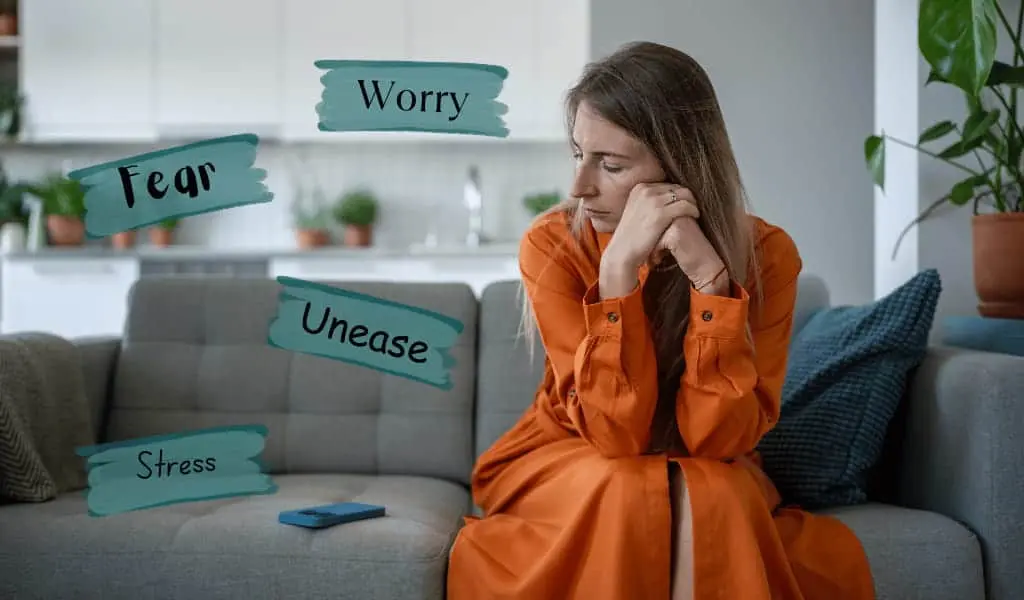
Anxiety is one of the most common mental health challenges faced by people today. It can affect anyone, regardless of age or background, and often appears as constant worry, fear, or nervousness without a clear reason. Many individuals struggle with how to deal with anxiety naturally because they want to avoid heavy medications and prefer safe, long-term solutions that fit into daily life. The good news is that natural methods can significantly reduce anxiety when practiced consistently and correctly.
Understanding your mind and body is the first step toward managing anxiety. Small changes in routine, thinking patterns, and lifestyle can create a powerful impact on emotional balance. Natural techniques such as breathing exercises, physical activity, healthy eating, and mindfulness can help calm the nervous system and improve overall mental clarity.
In this article, you will learn practical and effective strategies on how to deal with anxiety naturally. These methods are easy to follow, beginner-friendly, and designed for long-term emotional stability. Whether your anxiety is mild or moderate, these techniques can help you regain control, improve focus, and build a peaceful mind. With consistency and patience, it is possible to reduce anxiety and live a more balanced and confident life.
What is Anxiety and Natural Anxiety Management?
Anxiety is a mental and physical response to stress or perceived danger. It is often described as excessive worry, nervousness, or fear that can interfere with daily activities. When learning how to deal with anxiety naturally, it is important to understand that anxiety itself is not always negative. It is a natural survival mechanism, but when it becomes constant or overwhelming, it needs attention.
Natural anxiety management refers to using non-medical approaches to reduce anxiety symptoms. These methods focus on improving lifestyle habits, emotional awareness, and mental resilience. Instead of relying on medication, natural techniques aim to balance brain chemistry through healthy routines and mindful practices.
Common natural approaches include breathing exercises, meditation, yoga, proper sleep, balanced nutrition, and regular physical activity. These methods help regulate stress hormones and improve emotional stability. Over time, they train the brain to respond calmly to stress instead of reacting with fear or panic.
Understanding this concept is essential because it helps you realize that managing anxiety is not about eliminating stress completely but learning how to respond to it in a healthier way. This foundation is key to successfully applying natural techniques in everyday life.
Why is Managing Anxiety Naturally Important?

Learning how to deal with anxiety naturally is important because it offers long-term benefits without dependency on medication. Many people experience side effects or temporary relief when using medication alone, but natural methods focus on the root cause of anxiety.
One major benefit is improved emotional control. Natural techniques help you understand your thoughts and reactions better, which reduces overthinking and fear-based responses. This creates a stronger sense of mental stability in daily situations.
Another important reason is physical health. Anxiety is closely linked to the body, affecting sleep, digestion, heart rate, and energy levels. Natural methods like exercise and proper diet improve overall health, which directly reduces anxiety symptoms.
Additionally, natural anxiety management is sustainable. Once you build healthy habits, they continue to benefit you throughout life. Unlike quick fixes, these techniques strengthen your mind gradually, making you more resilient to stress.
Finally, it empowers individuals. Instead of feeling dependent on external solutions, you learn to take control of your mental health. This sense of control reduces fear and builds confidence, making it easier to face challenges calmly and effectively.
Step-by-Step Guide on How to Deal With Anxiety Naturally
Step 1: Practice Deep Breathing
Deep breathing is one of the most effective ways to calm the nervous system. When anxiety increases, breathing becomes shallow, which signals the brain to stay in a stressed state. By slowing your breath, you send a message of safety to your body.
Practice inhaling slowly through your nose for four seconds, holding for four seconds, and exhaling for six seconds. Repeat this for a few minutes daily.
Step 2: Build a Daily Exercise Routine
Physical activity helps release endorphins, which are natural mood boosters. Exercise also reduces stress hormones like cortisol. You don’t need intense workouts; even walking, jogging, or light stretching can make a difference.
Aim for at least 20–30 minutes of activity each day.
Step 3: Improve Your Diet
Food plays a major role in mental health. A balanced diet rich in fruits, vegetables, whole grains, and protein supports brain function. Avoid excessive caffeine, sugar, and processed foods as they can increase anxiety symptoms.
Drink enough water and maintain regular meal timings.
Step 4: Practice Mindfulness and Meditation
Mindfulness helps you stay present instead of worrying about the future. Meditation trains your mind to observe thoughts without reacting to them.
Start with 5–10 minutes daily, focusing on your breath or surroundings.
Step 5: Maintain Healthy Sleep
Poor sleep can worsen anxiety. Create a consistent sleep schedule and avoid screens before bedtime. A calm sleeping environment improves rest quality and mental recovery.
Benefits of Managing Anxiety Naturally
- Improves emotional stability and mental clarity
- Reduces dependency on medication
- Enhances physical health and energy levels
- Builds long-term resilience to stress
- Improves sleep quality and relaxation
- Encourages positive thinking and focus
- Strengthens self-awareness and confidence
Disadvantages / Risks of Natural Anxiety Methods
- Results may take time and require consistency
- Not always sufficient for severe anxiety disorders
- Requires discipline and lifestyle changes
- Some methods may not work equally for everyone
- Progress can feel slow compared to medication
Common Mistakes to Avoid
Many people make mistakes when trying to manage anxiety naturally. One common mistake is expecting instant results. Natural methods require time and patience to show improvement.
Another mistake is inconsistency. Practicing techniques only when anxiety appears is less effective than daily practice. Building habits is essential for long-term success.
Avoid ignoring professional help when needed. If anxiety becomes severe, combining natural methods with expert guidance is important.
Overloading yourself with too many techniques at once is also ineffective. Start small and gradually build your routine for better results.
FAQs
1. Can anxiety be cured naturally?
Anxiety can often be managed and significantly reduced naturally, but results depend on consistency and severity. Many people experience major improvement through lifestyle changes.
2. How long does it take for natural methods to work?
It varies from person to person. Some people notice changes in a few weeks, while others may take longer depending on habits and commitment.
3. Is exercise really helpful for anxiety?
Yes, regular exercise helps release stress hormones and improves mood, making it one of the most effective natural methods.
4. Can diet affect anxiety levels?
Absolutely. A healthy diet supports brain function and stabilizes mood, while unhealthy food can increase anxiety symptoms.
5. Do breathing exercises really help?
Yes, deep breathing directly calms the nervous system and reduces immediate anxiety symptoms effectively.
6. Should I avoid medication completely?
Not necessarily. For severe cases, professional advice is important. Natural methods can be used alongside treatment.
Expert Tips & Bonus Points
Consistency is the key to success when learning how to deal with anxiety naturally. Start with small changes instead of trying to fix everything at once. Focus on building one habit at a time.
Avoid negative self-talk, as it increases anxiety levels. Replace it with realistic and positive thinking patterns. Journaling can also help you understand triggers and emotional patterns.
Limit exposure to stressful content on social media and news, especially before bedtime. Create a calm environment around you that supports relaxation.
Stay connected with supportive people. Social interaction plays a strong role in reducing anxiety and improving emotional health.
Finally, be patient with yourself. Progress may be slow, but every small step contributes to long-term mental strength.
Conclusion
Learning how to deal with anxiety naturally is a powerful step toward improving mental and emotional well-being. Anxiety may feel overwhelming at times, but with the right approach, it can be managed effectively without relying heavily on medication. Natural methods such as deep breathing, exercise, healthy eating, mindfulness, and proper sleep work together to create balance in both mind and body.
The key to success is consistency. These techniques are not quick fixes but long-term lifestyle changes that gradually build mental strength. As you practice them regularly, you will notice improved focus, better emotional control, and a calmer response to stressful situations.
It is also important to understand that everyone’s journey is different. What works quickly for one person may take more time for another. Patience and self-awareness are essential during this process. Instead of trying to eliminate anxiety completely, the goal should be to manage it effectively so it does not control your life.
